Arriving by rail: make the first hour easy
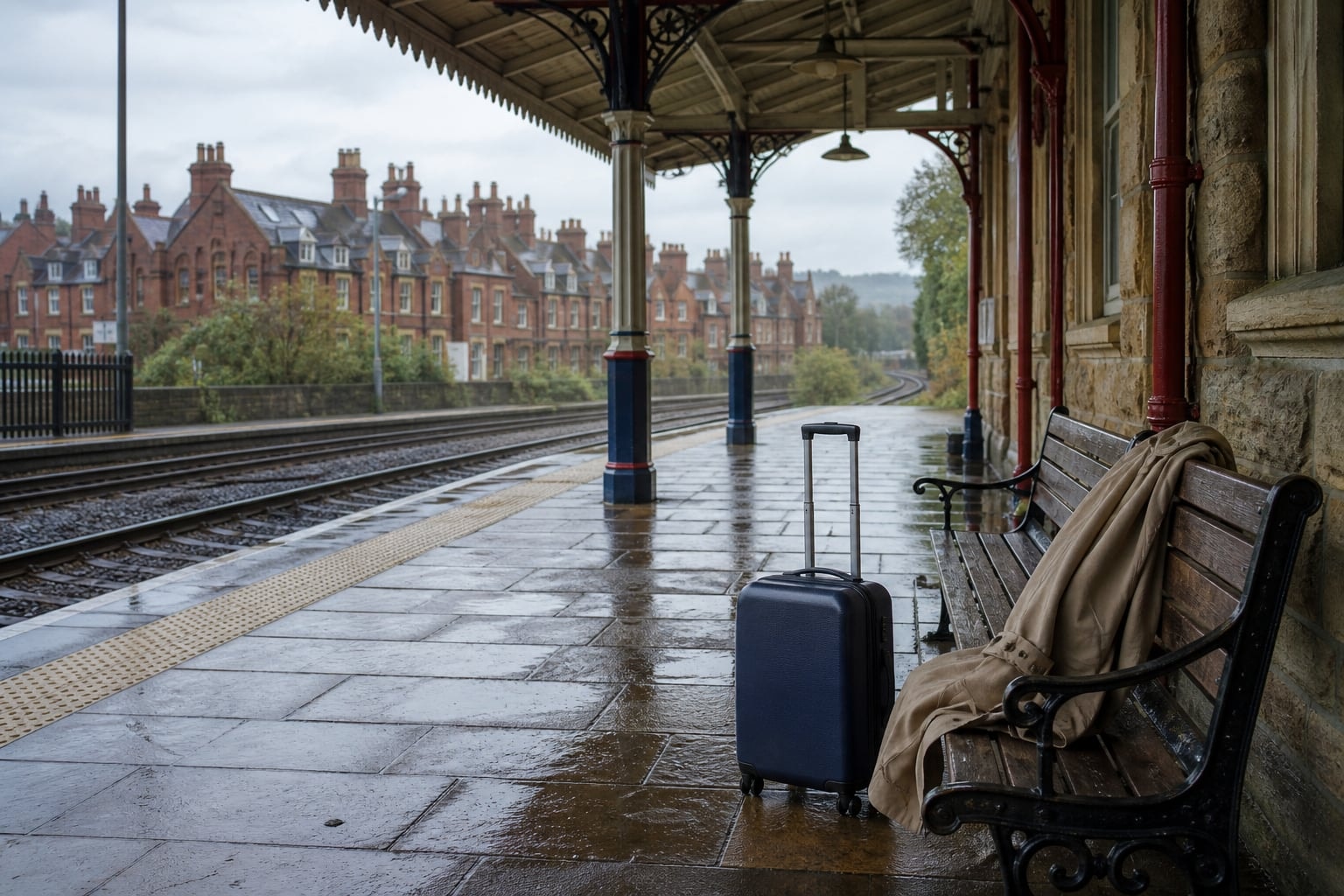
A rail arrival is part of the visit, not merely the gap before it. Rochester station places a traveller close to the historic centre, but “close” does not answer the practical questions that matter when carrying a bag, arriving in rain or navigating after dark. A simple arrival plan prevents the first hour from consuming attention that belongs to the city.
Check the journey on the day
Timetables, platform arrangements and engineering work change. Use the current train operator or national journey source shortly before travel, and check again if the journey involves a connection. Save the essential details offline in case reception is poor. This page deliberately carries no timetable because a stale train time is worse than none.
For general public-transport accessibility rights and assistance, government guidance explains the rights of disabled passengers. A traveller needing assistance should use the current operator process and seek confirmation for the specific journey.
Reduce the bag before improving the route
The easiest kilometre is the one not walked with unnecessary weight. For a one-night stay, choose a bag that can be controlled on steps and narrow pavements. Keep rain protection, water and the arrival note accessible rather than at the bottom. If luggage is heavy or wheeled, compare route surfaces and gradients, not only distance.
Know the first three turns
A full turn-by-turn script is fragile; roadworks and exits change. Instead, identify the station exit, the initial direction and one unmistakable landmark that confirms you are on course. Keep a current map available, but look up often enough to understand the street. The goal is not to walk without assistance; it is to avoid becoming so absorbed in the screen that the surroundings disappear.
The official historic Rochester visitor map shows the relationship between the station, High Street, river and principal heritage sites. Check the map’s publication date and pair it with live route information for closures or temporary changes.
Plan for arriving before the room
If arrival precedes the provider’s confirmed access time, decide what happens to luggage. Do not assume storage exists. A short, weatherproof waiting plan is more useful than beginning a major site visit with bags. Likewise, if the provider uses a limited staffed window, build the journey around the confirmed process instead of expecting an exception.
Use the return journey to shape the final morning
Work backwards from the train. Add walking time, a navigation margin and extra time for the platform. If luggage must be collected, include that leg explicitly. Choose a final activity that can be shortened without disappointment. A nearby street walk or viewpoint is more flexible than an interior visit with a fixed entry sequence.
Think about evening recognition
A route learned in daylight can feel different after dark. Note lighting, crossings and the point where the High Street gives way to quieter roads. Travellers who find darkness, noise or crowds disorienting may prefer to complete a reconnaissance before dinner. The access page includes sensory and fatigue questions as well as mobility considerations.
Let arrival establish the city’s scale
Once the bag is settled, walk a short orientation loop rather than immediately pursuing a list. Find the High Street, glimpse the monumental skyline and identify the direction of the river. That half-hour makes the next morning easier and begins to reveal Rochester’s compact relationship between route, crossing and high ground.
Make a backup that is genuinely simpler
A useful backup removes decisions. Save one alternative route, one sheltered waiting place and enough margin to absorb a missed connection. Do not build a second itinerary as complicated as the first. The point is to lower pressure when attention is already divided.